Buying an Apartment in a Mixed Use Building
Go Back To Previous PageBuying an apartment—any apartment—in New York City can be daunting. Even if your apartment is in a complex with friendly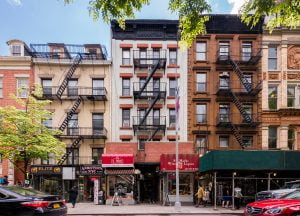 neighbors, it can be rough. It gets even more intimidating when you want to buy an apartment in a mixed-use building.
Do you need to consider any factors when buying a mixed-use building? The truth is that it might be more hassle than you’d expect it to be.
What Is A Mixed-Use Building?
New York City’s mixed-use buildings are officially zoned for commercial and residential purposes, usually in one of two ways.
Either the building is new construction built with mixed goals in mind, or it’s an older building initially meant for commercial uses but later became mixed-use after remodeling.
Are Mixed-Use Buildings Common?
They are becoming increasingly common, but buying a mixed-use building can be a little problematic. Many buildings that are mixed-use in practice aren’t mixed-use on paper. This type of fraud has sometimes led to severe issues for buyers and sellers.
This means that there have been several cases where apartment buyers bought an “apartment” in a building they believed was mixed-use, only to discover their new “home” was in a commercial-only building. To avoid this, have your real estate agent double-check if it’s a mixed-use building.
What Can You Use A Mixed-Use Building For?
You can use them for either business or residential purposes, making them ideal for people who want to live and work in the same place. However, it’s not for everyone.
You need to know the perks and pitfalls of buying a home in a building like this.
Unequal Split for Common Charges
The most common trick shady developers play is to retain the commercial unit for themselves or sell it to a related party. They’ll then write the offering plan to give the commercial unit owner special rights and few responsibilities.
One of the original developer’s most common tricks is to specify limits on what common charges the commercial unit will be liable for in the original offering plan.
Separate Utility Meters
One danger of buying an apartment in a mixed-use building is that the commercial unit owner may use more than their fair share of shared utilities, such as water or gas.
For example, what if the commercial unit is leased to an ice cream store that uses water? If there isn’t a separate water meter for the commercial unit, the residential unit owners might subsidize the commercial unit owner’s extremely high water bill.
The Perks Of Buying An Apartment In A Mixed-Use Building
Mixed-use buildings are hot on the real estate market in New York City, and it’s easy to see why. Their perks make them excellent buys for the right person.
- Businesses aren’t likely to be there at night, so you might get more privacy. Because of that, these buildings are also less prone to noise
 complaints at night.
 - Since businesses are pretty on top of things, they act as a good “neighborhood watch.” This can prevent the wrong crowd from moving in. Besides, who doesn’t like having a lot of professionals nearby?
- Funding from FHA loans and Fannie Mae is possible for a mixed-use building in NYC. However, the details can be pretty hard to grasp. To get an apartment via a loan, at least 51 percent of the property must be residential.
- These apartments are often more affordable than all residential buildings. If you’re looking to stretch your dollar, this will be a great way to do it, and you might even be able to get more space.
- You can write off a large portion of your apartment in taxes because it can be used as legitimate office space.
The Pitfalls Of Buying An Apartment In A Mixed-Use Building
While mixed-use buildings are significant for some, some pitfalls are too big to ignore. Thankfully, this isn’t always the case with every building under this label. To ensure you get the best home for your budget, avoid these major pitfalls below.
- There is a chance the “mixed-use” isn’t mixed. This is rare, but renters and buyers have been ushered from their homes after discovering they can’t live there. Doing your due diligence here is a must!
- You will not have peaceful nights if you have nightclubs as neighbors. Though (once again) rare, it has happened in the past. Worse, you can’t call the police for a noise complaint as the nightclub owners often own entire buildings, which has caused litigation.
- Restaurants that share your building can put you at an increased risk for pests. Cockroaches and rodents are two of the most notorious ones. However, it can also lead to other foul issues, such as the smell of cooking wafting in from the place next door.
- If you have a beef with a business, it will be harder to get them evicted. Companies are demanding to evict, even if you have reasonable grounds.
How To Buy A Mixed-Use Apartment And Avoid Problems
Getting into mixed-use apartments isn’t precisely wise for everyone. It’s best to ensure you have all the information you need. These tips can help you make the most of your apartment hunting.
Do Your Due Diligence
Please don’t believe the building owner when they tell you it’s mixed-use. Instead, check out what the official documents designate the area for. If it says it’s all commercial, you should find a new landlord.
If it genuinely is mixed-use, you should examine any other issues it may have. Make sure it’s up to code and check for any problems.
Scope Your Neighbors
Look at the businesses in the same building before you move in. If you notice dingy restaurants or potentially problematic businesses, think long and hard about buying an apartment in the building.
In most cases, companies are pretty easygoing. However, if you get stuck with a business that is a bad neighbor, you’re stuck.
Go In With A Plan
A mixed-use apartment is one thing you must consider before going all in. Before you make an offer, sit down and ask yourself the following questions:
- Do I make a lot of noise during the day? If you do, businesses might complain about you, and you might be at odds with your neighbors if it could harm their business.
- Am I okay with the kind of businesses that are already there? You might want to rethink your location if you’re looking for a family-friendly place with an adult store on your block. On a similar note, run if you notice businesses with sanitation issues.
- How will I use my space? If you want to add a live workspace, you might want to plan your home’s layout before moving in.
Do You Need Help Finding The Right Place To Live?
These types of properties can be pretty intimidating. If you want a good selection of new homes or don’t know where to begin, call a real estate agent and talk to them. After all, they have the experience they need to steer you toward the right property.